From Heartland to Highways: How Eastern India Drives the Nation’s Iron Ore Movement
Eastern India’s mineral belt has long been a cornerstone of India’s industrial economy — especially when it comes to iron ore extraction and trade. With rich deposits spread across Odisha and Jharkhand, the region plays a crucial role in moving raw materials from remote mining zones to industrial markets and export hubs. The strength of this movement lies not just in the volume of minerals mined, but in how efficiently they flow through the mining supply chain in Eastern India to meet growing demand.

Eastern India: The Heart of India’s Iron Ore Reserves
Odisha and Jharkhand together represent some of India’s most productive iron ore fields. These reserves supply crucial inputs for domestic steel mills and international buyers alike. What makes this region exceptional is not only the quantity of iron ore available but also the developing infrastructure that turns raw resources into deliverable assets. Strategic logistics planning enables miners and traders to handle large volumes with reliability and speed.
Understanding the Mining Supply Chain
The journey of iron ore begins deep in the heartland at the mine site, where the ore is extracted, crushed, screened, and stockpiled. But the real test lies in moving that material from isolated mining areas toward buyers and ports. This is where an integrated supply chain becomes vital.
Well-connected roads, highways, and rail networks link mining clusters to major industrial zones and seaports. A strong logistics network helps reduce costs, shorten transit times, and ensure that supply meets demand even during peak periods.
Highways and Railroads: Lifelines of Ore Movement
Efficient transport infrastructure is the backbone of moving iron ore across Eastern India. Highways connect mining regions to collection points and rail terminals, while the railways carry heavy bulk consignments over long distances. This combination of road and rail transport ensures that iron ore reaches manufacturing units and export gateways promptly.
Continued investment in transport infrastructure — including dedicated freight corridors and expanded rail lines — is strengthening this network and unlocking new efficiencies.
Ports and Export Connectivity
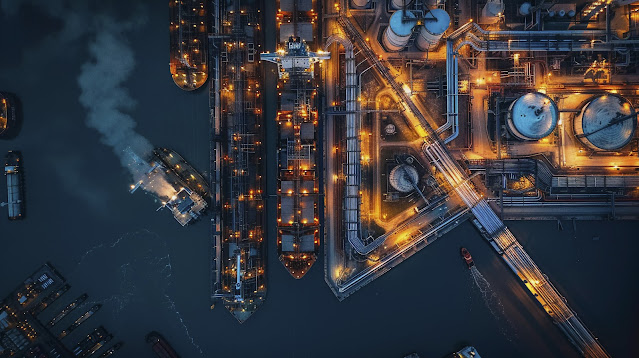
Quick access to seaports is another critical factor in Eastern India’s iron ore movement. Ports such as Dhamra in Odisha offer deep-water berths capable of handling large volume shipments, allowing Indian producers to compete effectively in global markets. Strong connections between inland logistics and port infrastructure help keep export supply flowing smoothly and support India’s positioning as an international supplier.
Trading Dynamics and Market Responsiveness
Iron ore trading in Odisha Jharkhand thrives on transparent markets, quality consistency, and timely deliveries. Traders act as intermediaries between mining companies and end users such as steel producers, sponge iron units, and exporters. With fluctuating market demand tied to construction activity, infrastructure development, and industrial output, a nimble logistics and trading ecosystem gives Eastern India a competitive edge.
Naaraayani Minerals: A Key Player in the Movement
Within this complex and evolving landscape, Naaraayani Minerals Pvt. Ltd.
stands out as a trusted partner in the iron ore value chain. By focusing on strong logistics coordination, ethical trading practices, and consistent quality, the company supports seamless movement from remote mines to major highways, railways, and ports.
Naaraayani’s presence across Odisha and Jharkhand — combined with market insights and operational reliability — helps strengthen the overall supply chain and supports industrial growth in India’s key sectors.
Eastern India’s Future in Iron Ore Trade
As India continues to grow its steel and infrastructure sectors, the role of Eastern India in iron ore movement will only become more significant. With expanding transport networks, upgraded logistics systems, and coordinated trading practices, the region is poised to remain a central hub for iron ore supply well into the future.
From mineral-rich heartlands to major highways and global ports, Eastern India’s integrated approach to logistics and trade keeps the iron ore flowing — powering industries and building economic momentum across the nation.


Comments
Post a Comment